
ADAPT Team All-Hands Meeting
All-Hands, Part 1: Field Site Visits
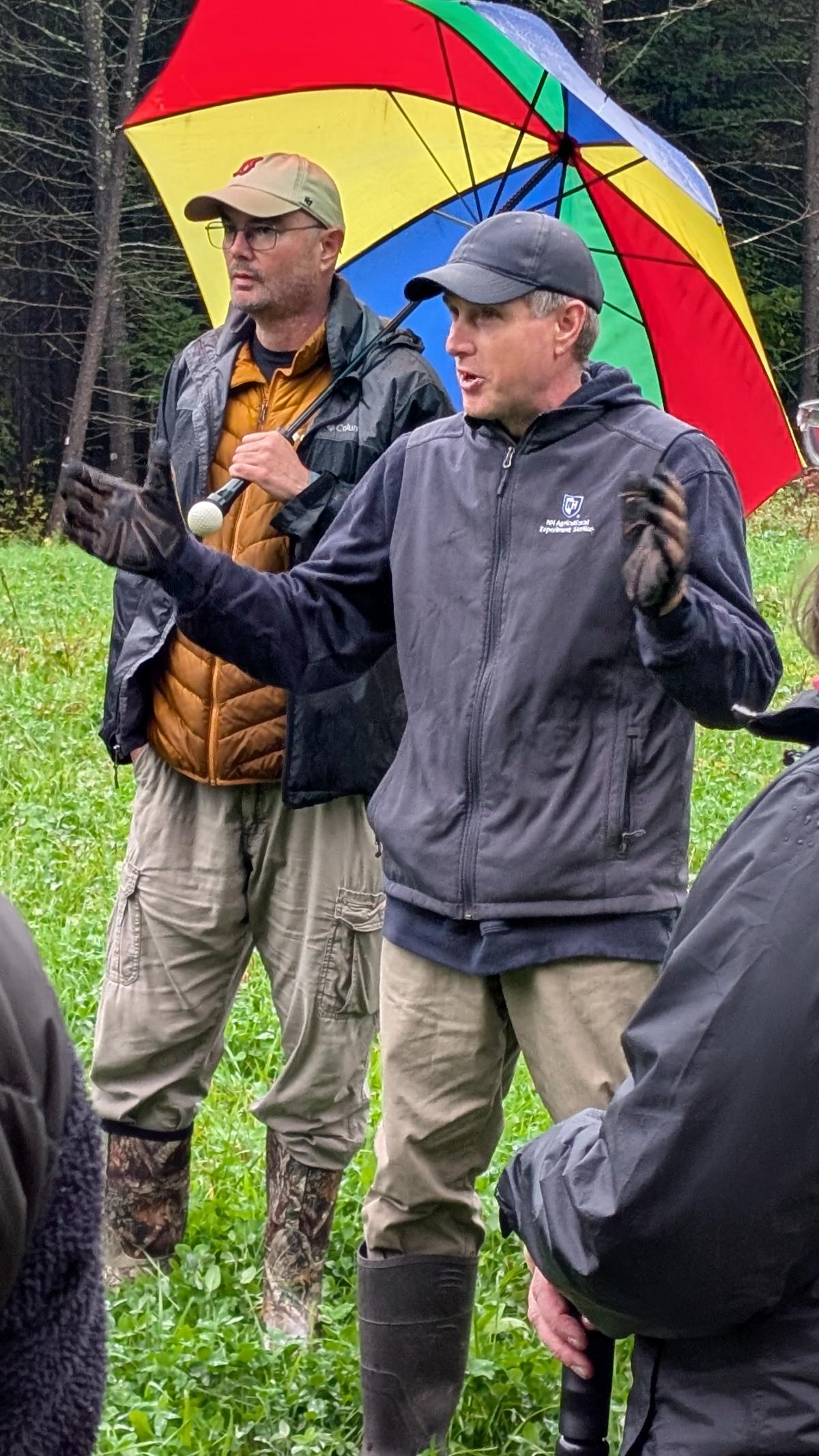
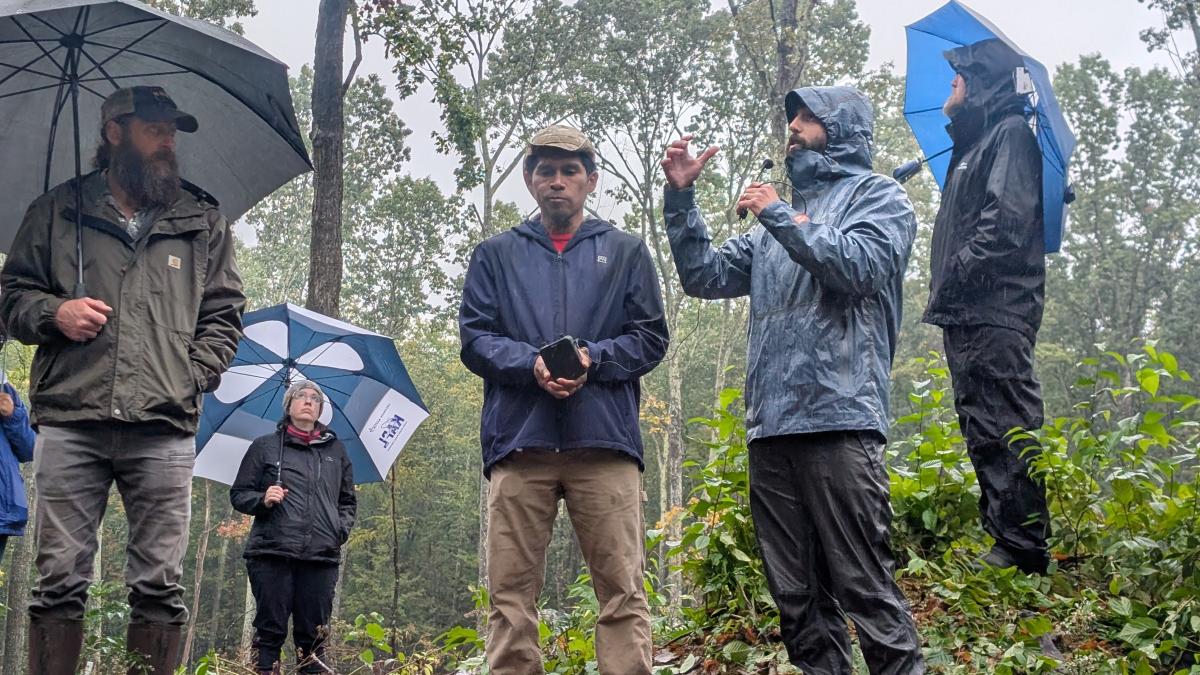
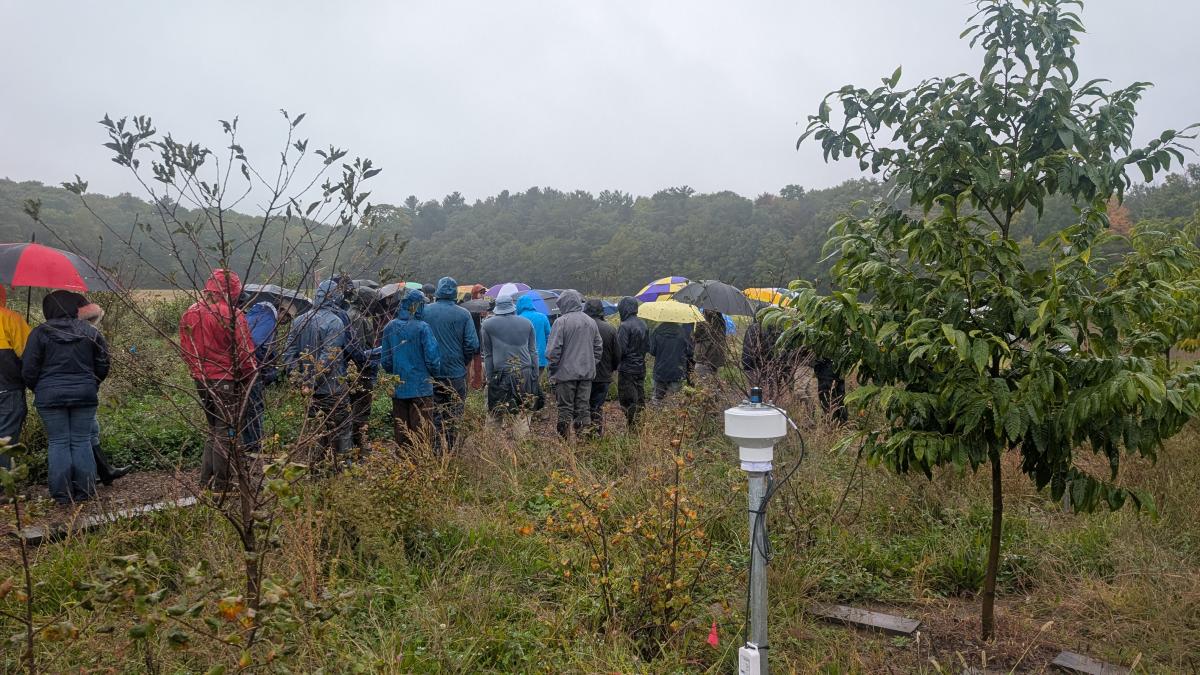
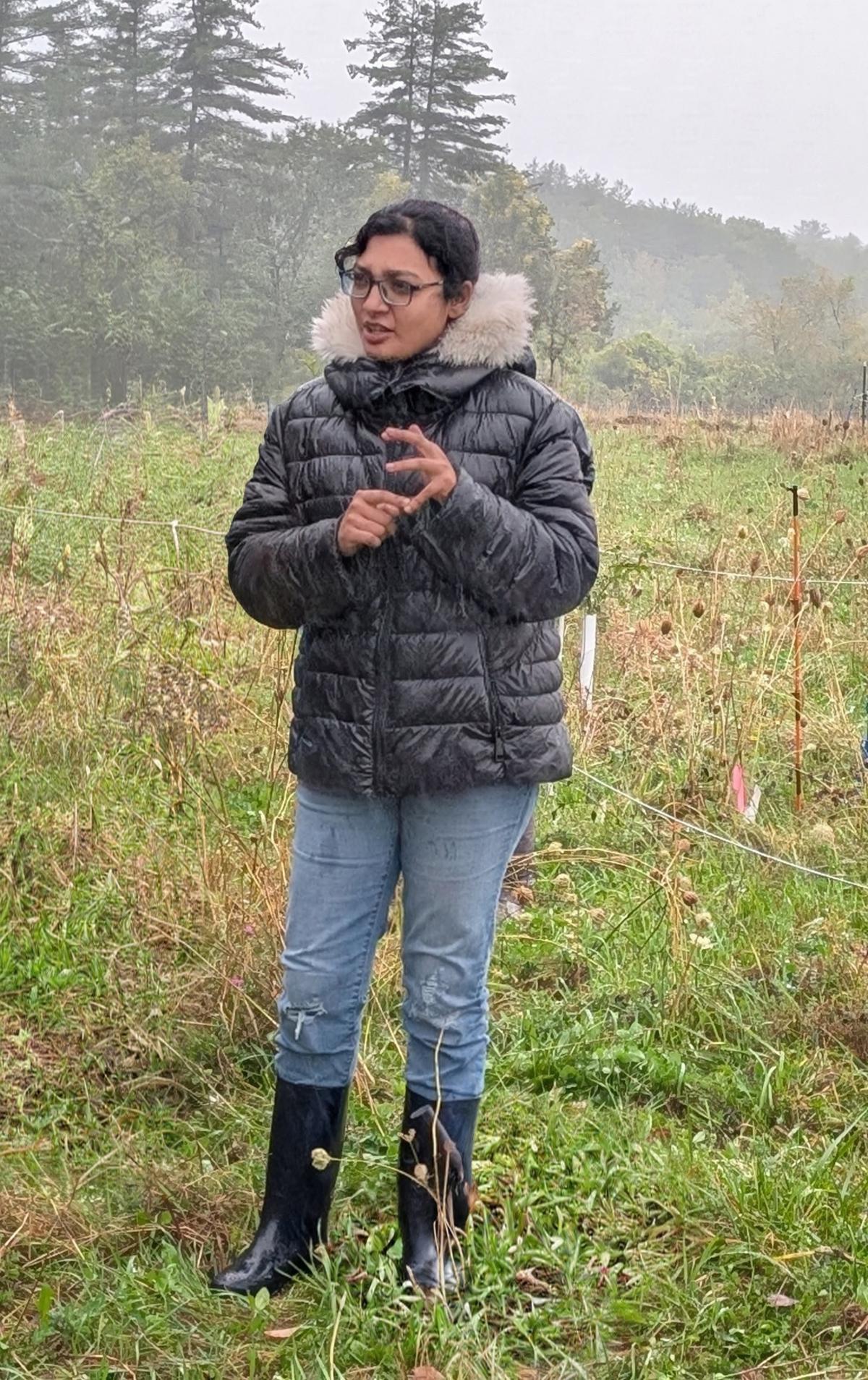
The ADAPT agroforestry field tours on September 28 brought to see three working agroforestry sites and four experimental designs in New Hampshire’s seacoast region. The afternoon began at UNH’s Kingman Research Farm in Madbury, NH, where attendees explored food forest and forest farming research sites and learned about ongoing efforts to integrate food production with ecological stewardship.
Participants then traveled to the Organic Dairy Research Farm at Burley-Demeritt in Lee, NH for a silvopasture-by-subtraction tour, examining how strategic tree thinning can improve livestock systems and forest health.
The day concluded at Winnicut River Farm in Stratham, NH, where Farmer John O’Brien shared his experiences with silvopasture by addition, highlighting the opportunities and practical considerations that come with integrating trees into pasture systems.
All-Hands, Part 2: Findings from ADAPT's Establishment Season
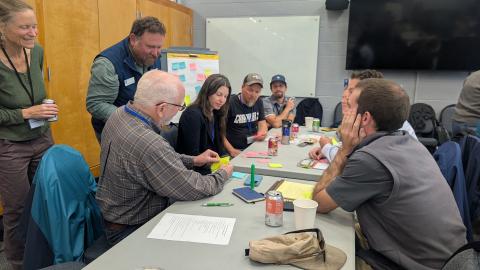
The September 29 ADAPT All-Hands Meeting on the UNH Durham campus brought together researchers, Extension staff, educators, farmers, and partners from across the project for a day focused on where the work stands now and where it could go next.
After breakfast and informal conversation, Heidi Asbjornsen and Anton Bekkerman opened the meeting with a look at the project's progress and the importance of continuing to build connections across disciplines, institutions, and states.
The morning focused on updates from across the project. The Cooperative Extension session, moderated by Aaron Guman, featured updates from Steve Roberge and Karam Sheban on Extension activities, followed by educational updates from Mike Smith, Megan Glenn, Wade Weber, and Kate Korbas. Research updates, moderated by Ryan Smith, included presentations from Alix Contosta on university experiments, Analena Bruce on social science research, and Ranjit Bawa on economics. Although the topics ranged from field experiments to producer decision-making, a common thread emerged: understanding agroforestry requires looking at ecological, community, and economic outcomes together.
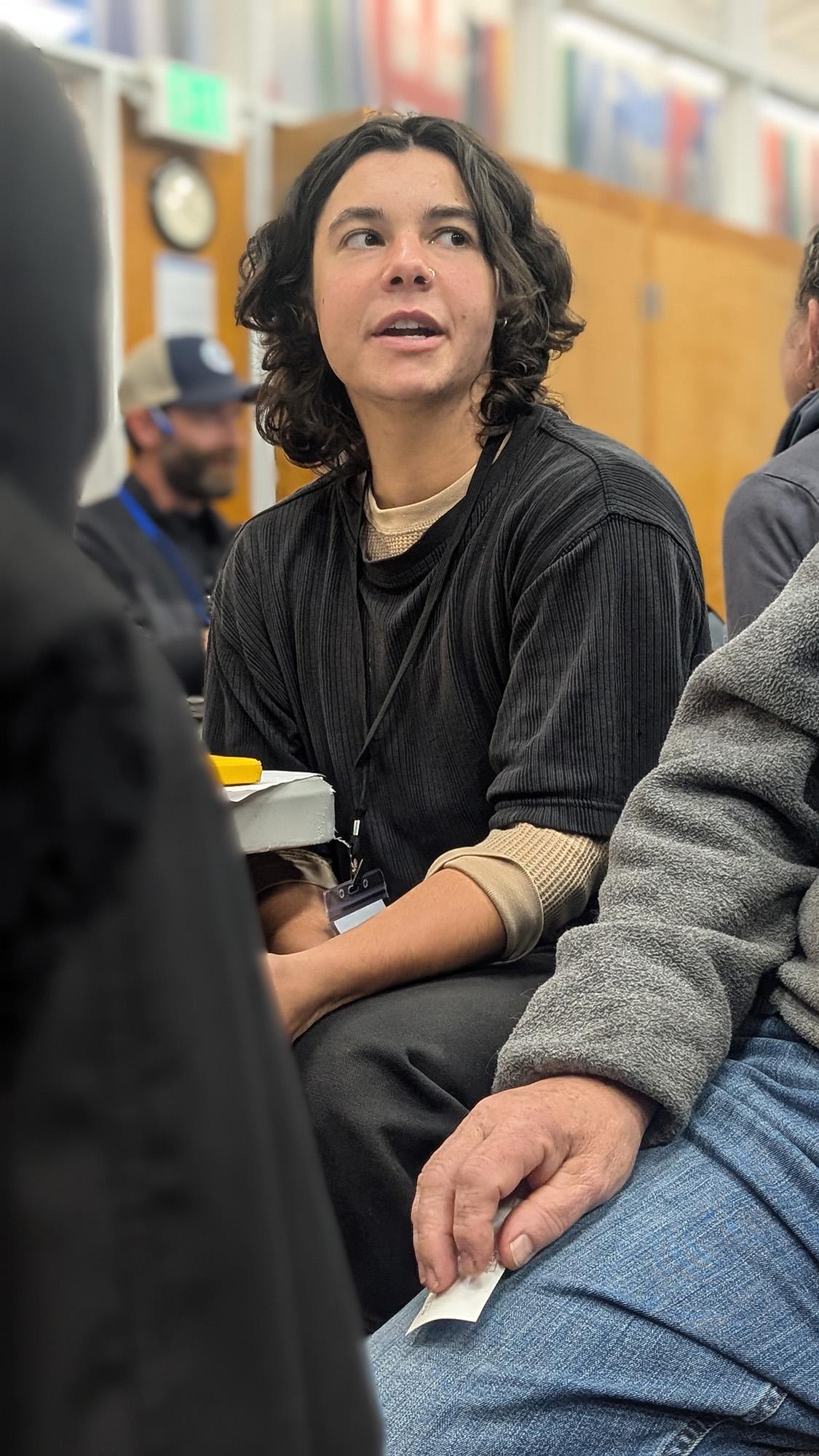
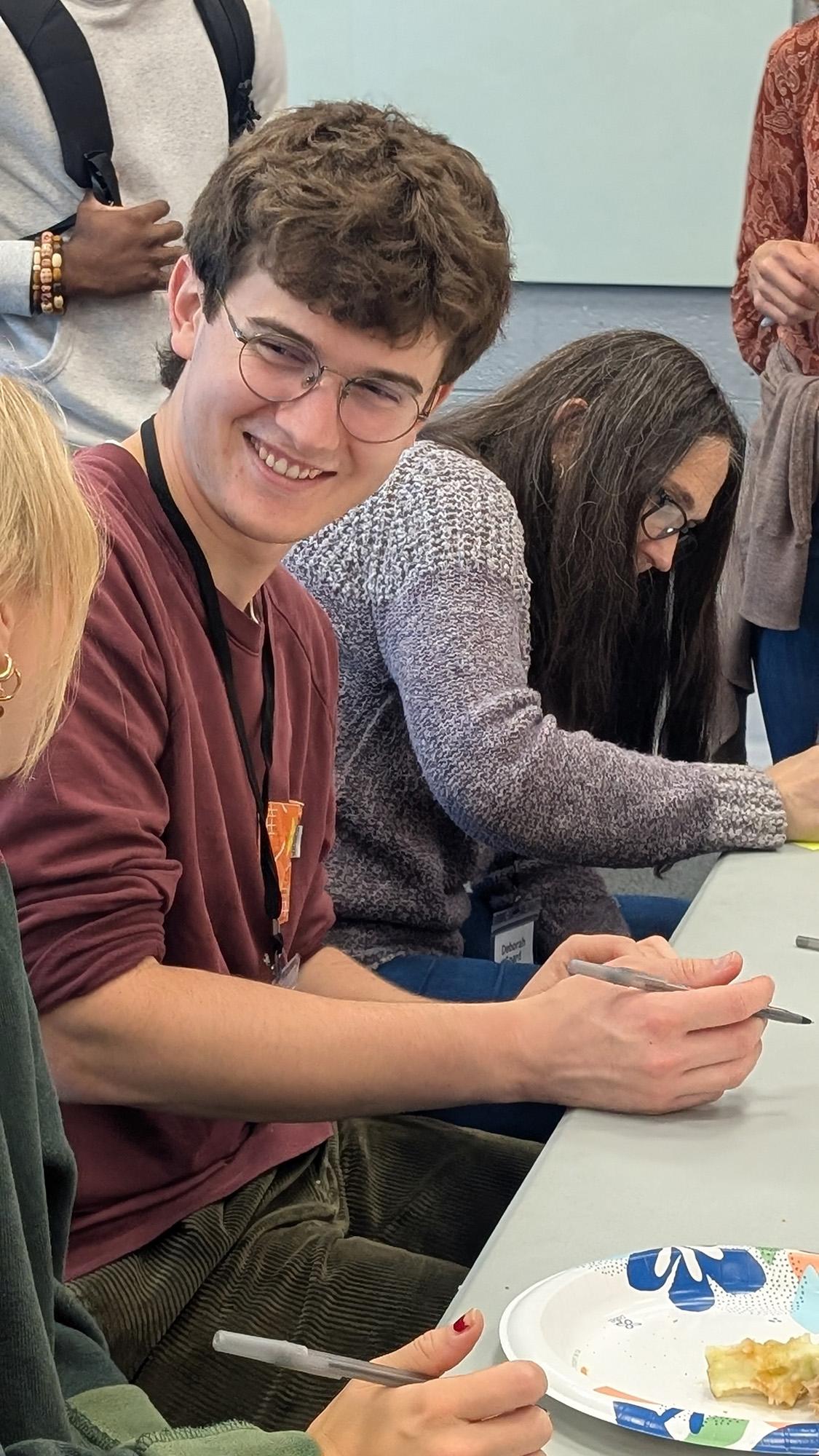
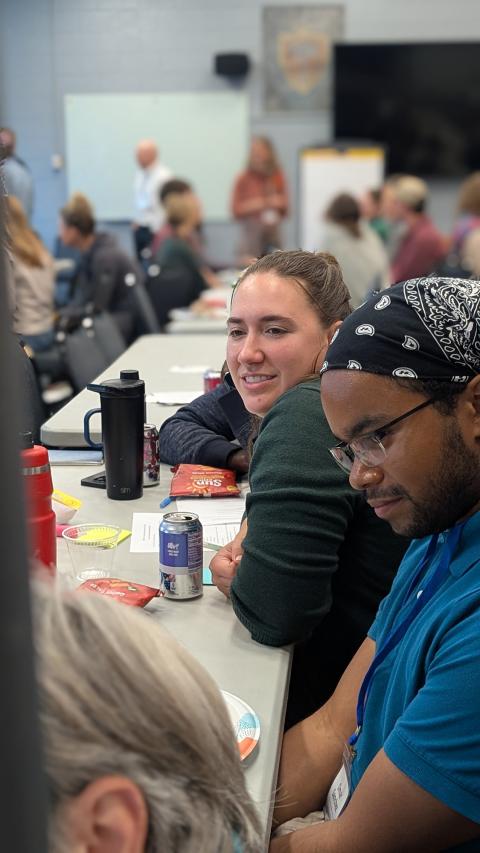
Participants also heard from cooperator farms working with silvopasture, forest farming, and food forest systems. The presentations grounded the discussion in on-the-ground experience and highlighted both the opportunities and practical realities of integrating trees, crops, and livestock. Conversation widened to consider what it will take to support agroforestry more broadly across New England, including opportunities, challenges, and perspectives that need to be included.
Jessica Leahy then presented findings from the external evaluation, offering a look at the project's strengths and areas where participants see opportunities to improve coordination and impact.
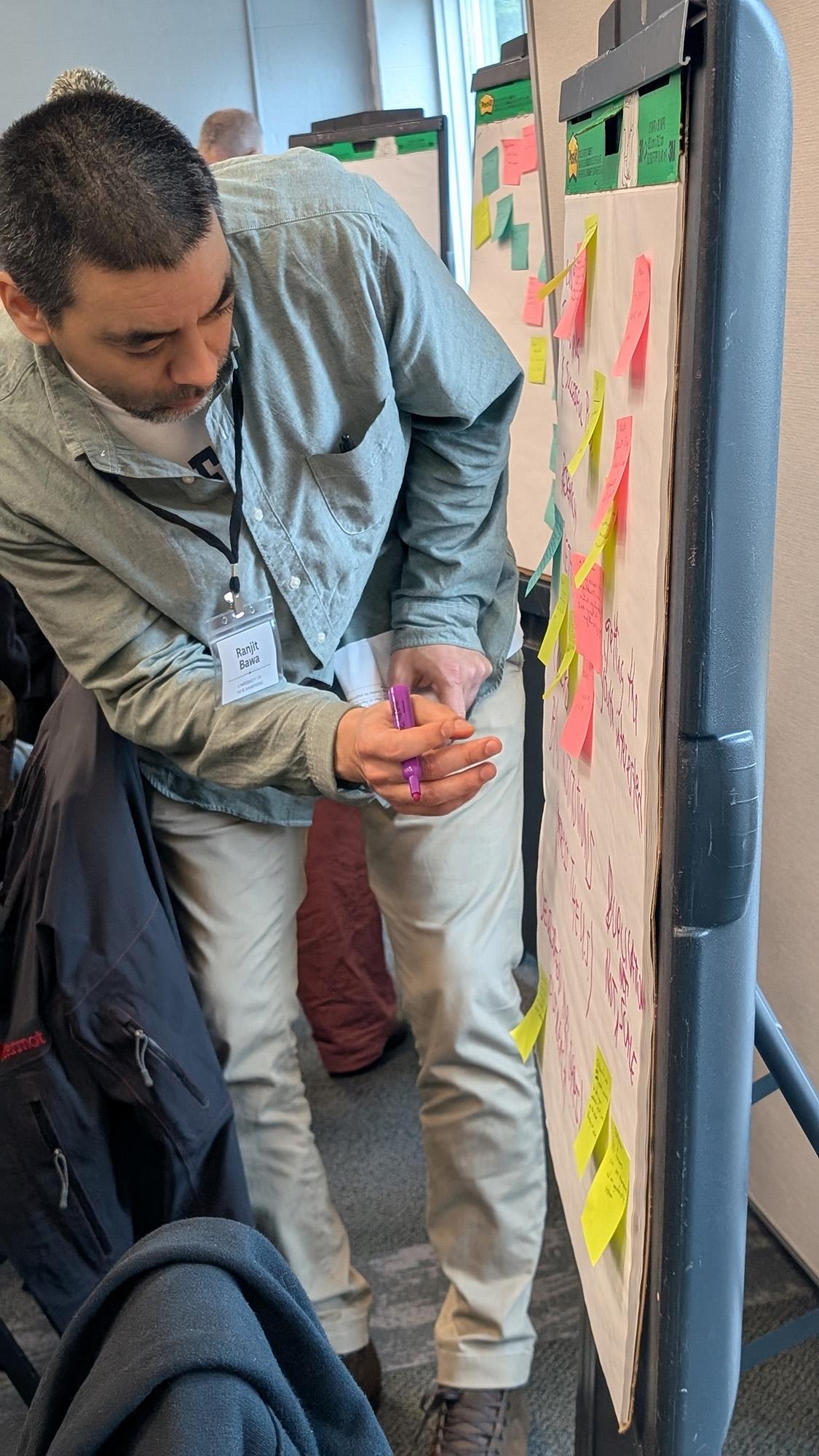
Through the afternoon’s facilitated breakout sessions, participants developed a shared vision for the ADAPT project and identified what successful agroforestry transitions could look like in the future. Conversations ranged from research priorities and farmer support to education, partnerships, and long-term regional outcomes. During the following share-out session, groups compared ideas and worked toward areas of consensus.
The final working session, led by Theresa Ong and Martha Torstenson, focused on envisioning desired future agroforestry transitions and considering the conditions needed to support them across New England.
By the end of the day, the discussion had moved well beyond individual projects. Participants were asked to think about how their work fits into a larger effort to expand agroforestry opportunities across New England and what will be needed to make those changes lasting. The result was a stronger shared understanding of both the project's current contributions and its future direction, with the day concluding in a wrap-up discussion of next steps.